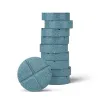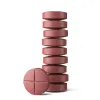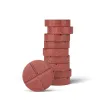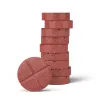

THCP, short for tetrahydrocannabiphorol, entered the cannabinoid conversation after researchers isolated and characterized it from Cannabis sativa in 2019. The finding was scientifically interesting, but the retail shorthand that followed has often blurred three different things: a molecule studied in a laboratory, a stated amount on a label, and the real-world performance of a finished tablet.
TabsMill takes a label-first approach. Instead of ranking cannabinoids with unsupported effect claims, this guide shows how THCP relates to neighboring categories and which product details can actually be compared.
THCP in the Cannabinoid Family
THCP is structurally related to delta-9 THC and has a longer alkyl side chain. In the original study, THCP showed greater binding affinity than delta-9 THC at cannabinoid receptors under laboratory conditions. Binding affinity describes an experimental interaction; it is not a human potency scale.
The widely repeated “33 times stronger” line comes from one receptor-binding comparison. That receptor-binding comparison does not establish a human serving size, predict an effect, or show how two finished products compare. There is not enough controlled human research to turn that number into a reliable consumer conversion.
A Better Way to Compare THCP, Delta-9, and Delta-8
| Category | Useful label information | What the label cannot establish |
|---|---|---|
| THCP | Stated amount, serving basis, other cannabinoids, tablet format, batch report | A universal effect or direct potency multiplier |
| Delta-9 THC | Stated amount, serving basis, product format, applicable legal limits | How a different cannabinoid product will compare for an individual |
| Delta-8 THC | Stated amount, formulation, manufacturing and batch information | FDA approval or an established safety profile |
These categories are distinct. TabsMill lists THCP products, Delta-8 products, and Delta-9 products separately so each label can be reviewed on its own terms.
Five Checks for a THCP Tablet Listing
- Read the unit carefully. Identify whether the number is per tablet, per serving, or per package.
- Review the entire formulation. Note every listed active ingredient rather than attributing the product to THCP alone.
- Match the batch report. A certificate of analysis is most useful when its product name, batch identifier, and tested analytes match the item being sold.
- Compare like formats. Keep tablet type, serving basis, and combination ingredients consistent when comparing listings.
- Check current restrictions. Cannabinoid rules can differ by state and locality and can change after an article is published.
Where the Evidence Stops
The 2019 THCP paper reported chemical characterization, receptor-binding work, and animal-model results. It did not establish approved therapeutic uses, a standard human serving, or the safety of retail THCP tablets. Those questions require different evidence.
FDA has also warned that Delta-8 products have not been evaluated or approved for safe use and has raised concerns about formulation variability, labeling, and manufacturing by-products. That guidance is a reminder to separate availability from regulatory approval across emerging cannabinoid categories.
Intoxicating cannabinoid products should be kept away from children and pets. Adults should avoid driving or operating machinery after use and consult a qualified health professional about medications, health conditions, pregnancy, or other individual concerns.
Browse THCP Products at TabsMill
TabsMill brings tablet listings into one focused marketplace so shoppers can compare stated strength, format, flavor, and available documentation. Explore the current THCP category, then read the full product label and batch information rather than relying on a headline potency claim.